Our town. Our history.
The Story of Piedmont
From a crossroads in the mountains to a community that built more than a century of progress — told through the Historical Society's photographs, maps, and markers.
One town, many names
A Line Through Time
- Ladiga1830s
- Hollow Stump1840s
- Cross Plains1851
- Patona1870
- Piedmont1888
- Mill Town Era1890s–1990s
- Today
Our Town
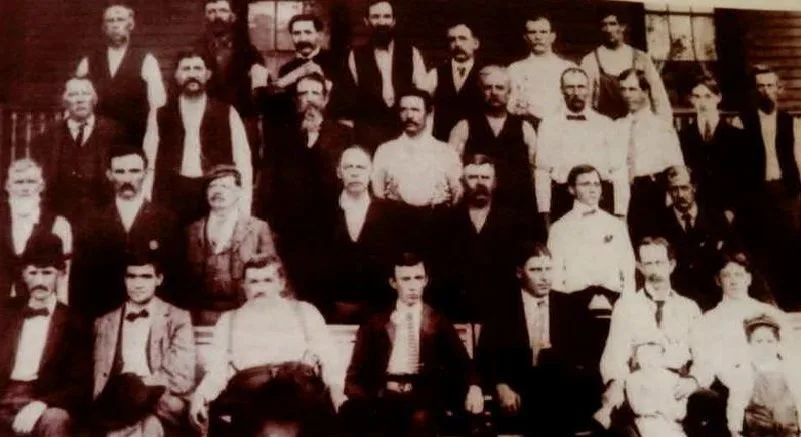
How Piedmont Got Its Name
Before December 12, 1888, this place answered to many names — each one a chapter in the town's story.
Read the story →
The Railroads
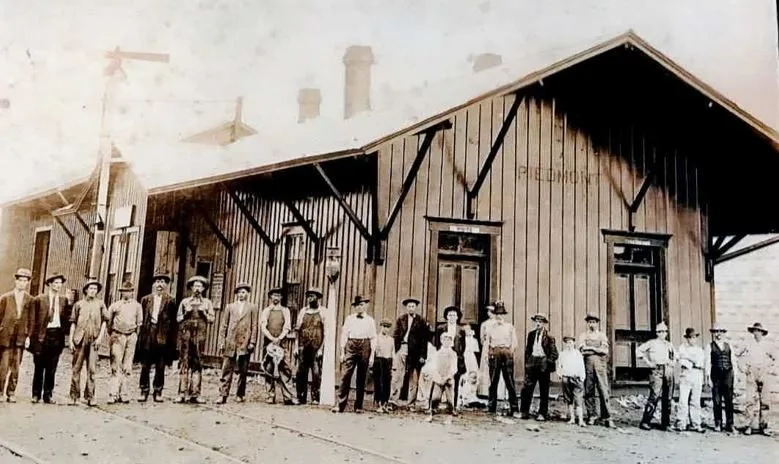
The Railroads That Built a Town
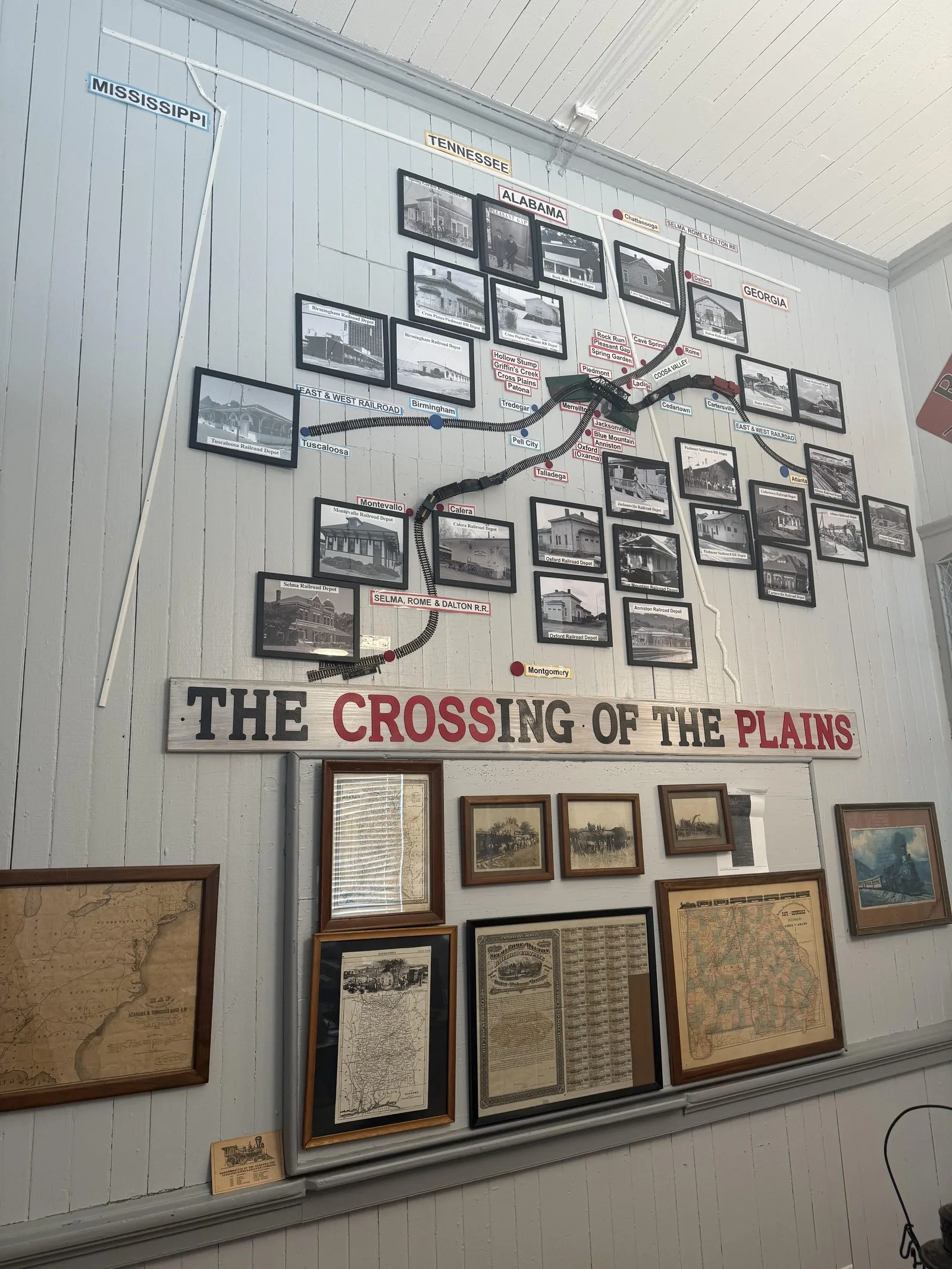
Two rail lines crossed here — and turned a quiet crossroads into a working Alabama town.
Read the story →
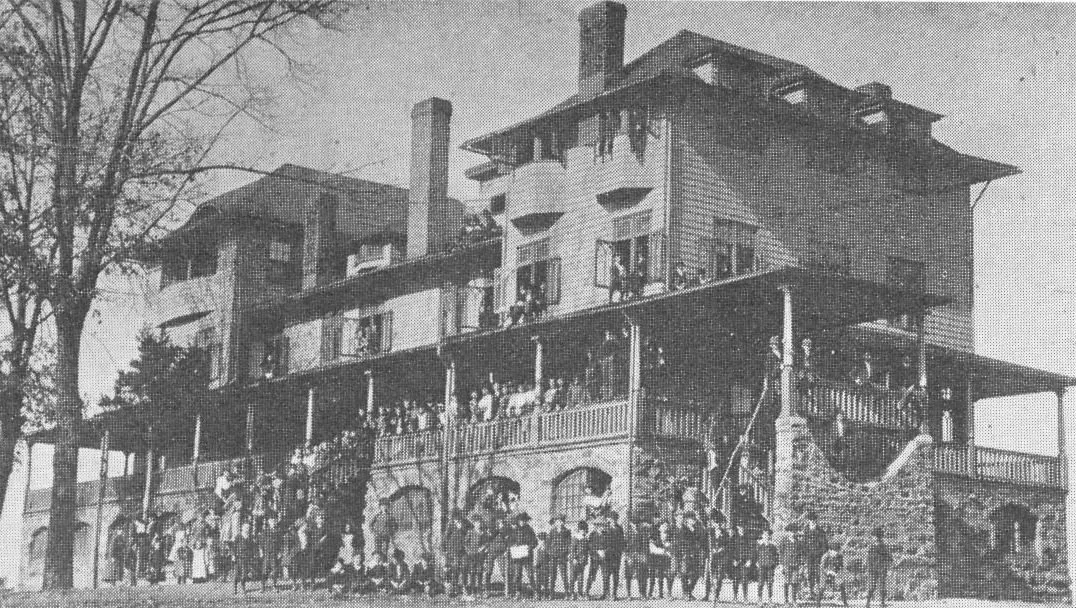
Education
Education in the Piedmont Area, 1840s to Today
From a one-room school at a frontier crossroads to a nationally recognized city school system.
Read the story →
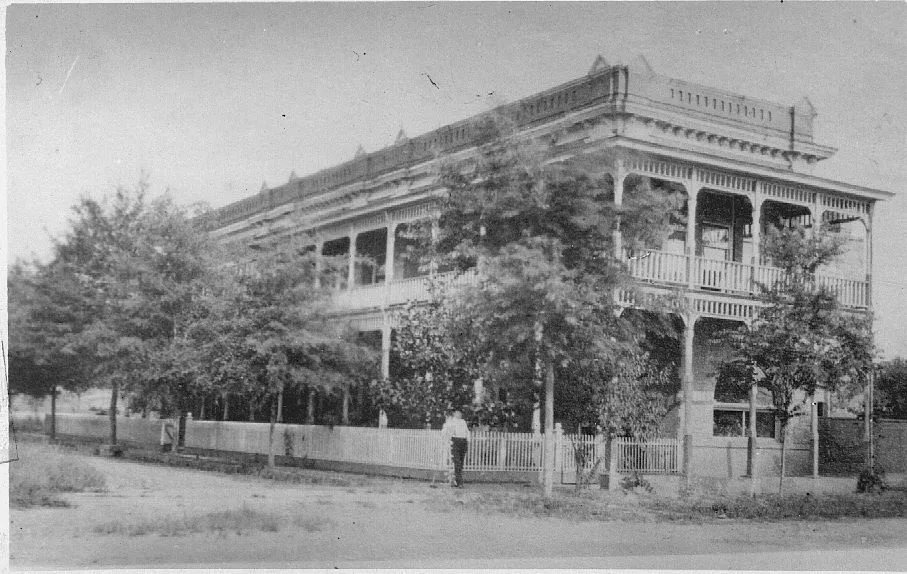
Commerce
Banking in Piedmont
From the 1890 boom to today, the town's banks financed its dreams.
Read the story →
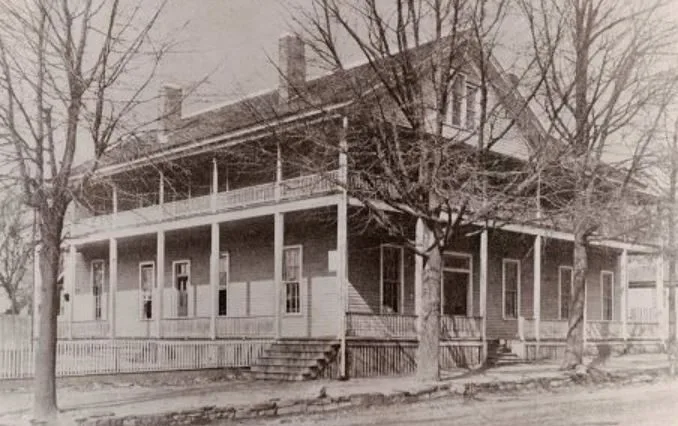
Hospitality
Historic Piedmont Hotels
When stagecoaches and trains brought travelers to town, Piedmont's hotels made them welcome.
Read the story →
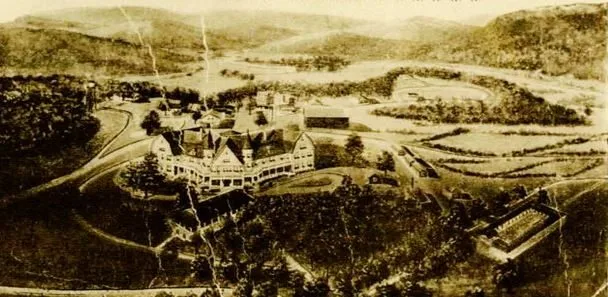
Hospitality
Piedmont Area Resorts
Clean mountain air, healing springs, and three famous resorts that drew travelers from across the country.
Read the story →
“Named ‘foot of the hills’ in 1888 — a town measured a half mile in every direction from the public well.”
The photo collection
From the Archive
Photographs, maps, and markers from the Piedmont Historical Society’s collection — the churches, streets, businesses, and people behind the stories above.
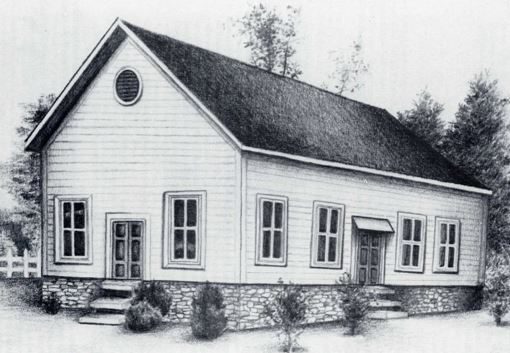
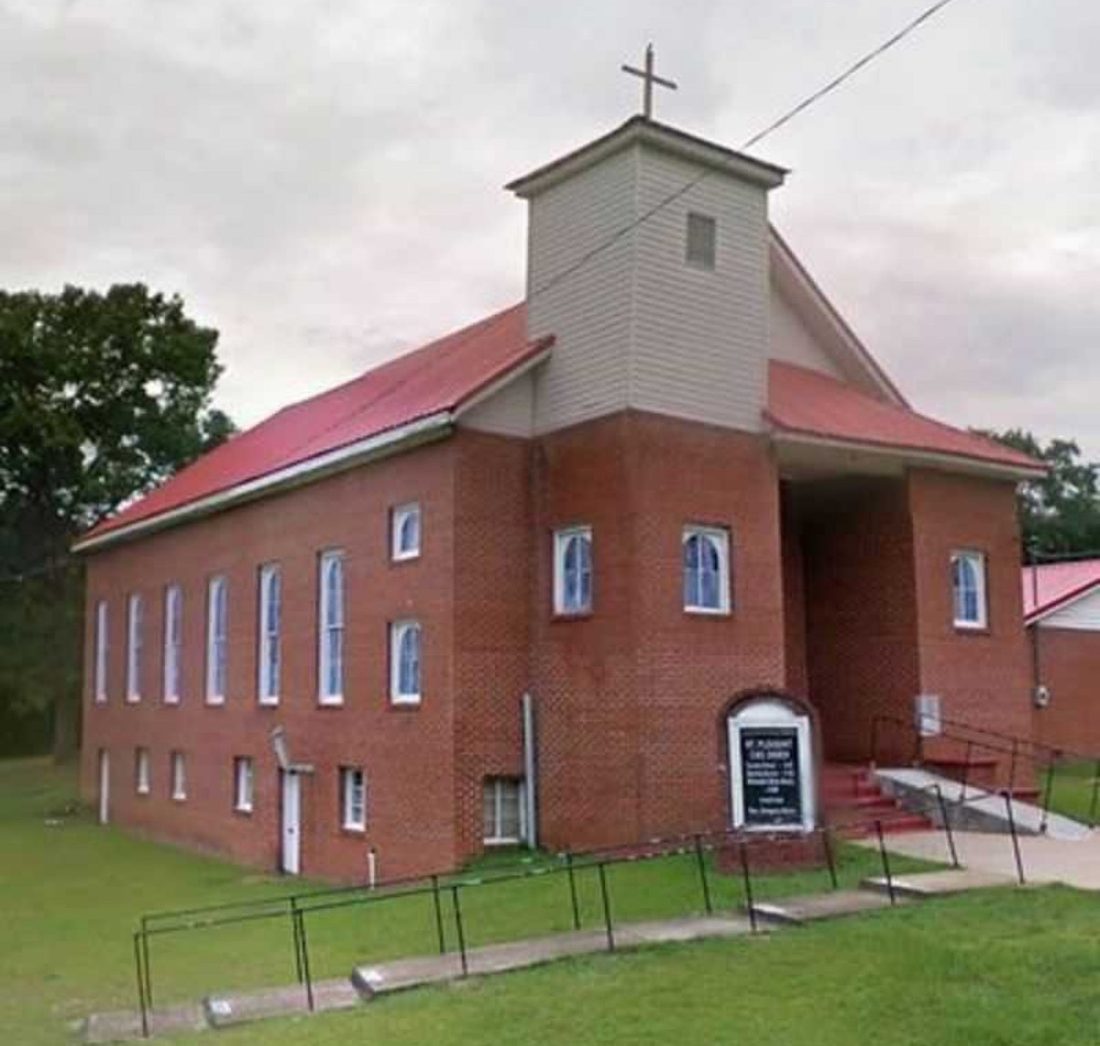
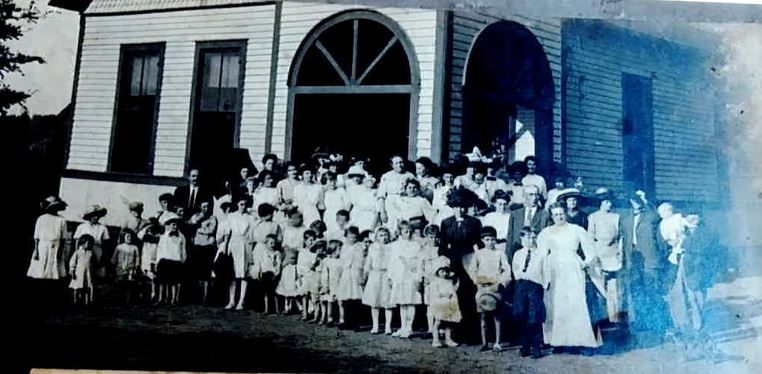
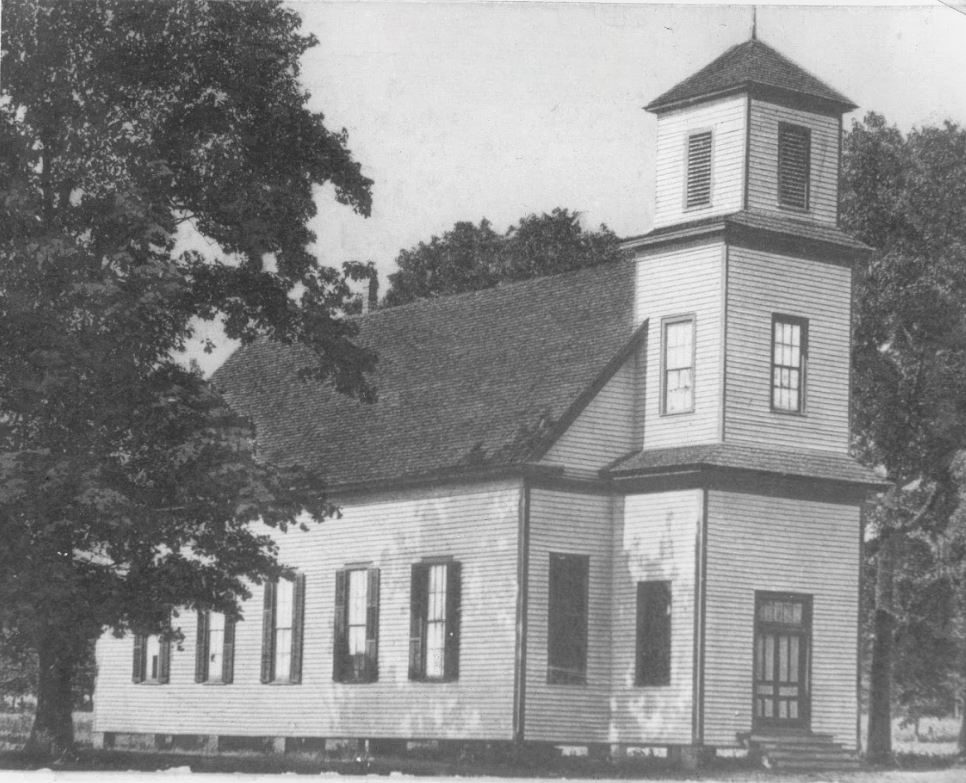
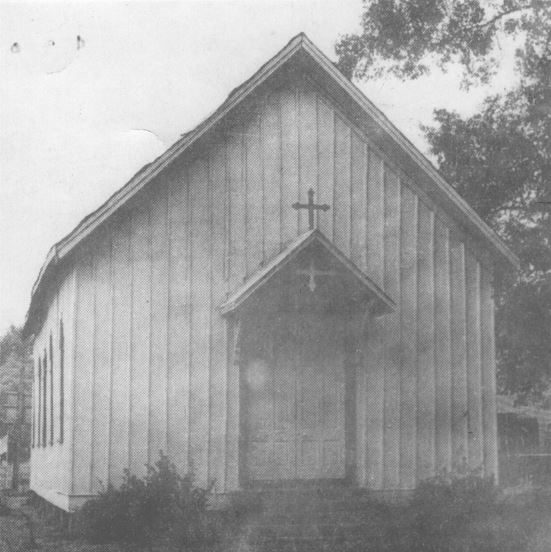
Churches & Congregations
Piedmont's congregations date to the Cross Plains years — several of these buildings served their communities for generations.
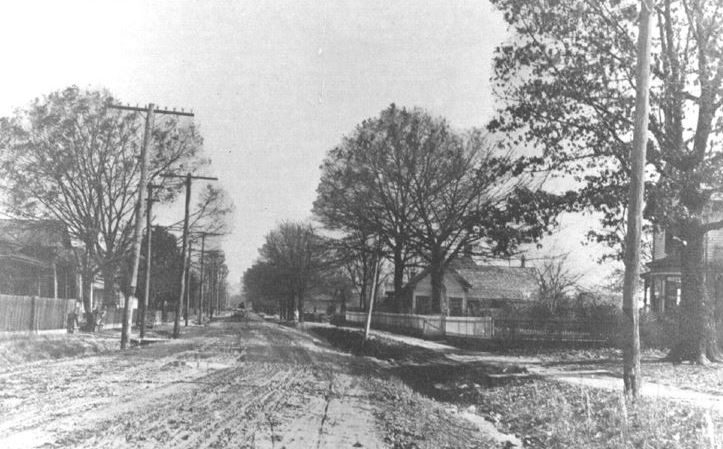
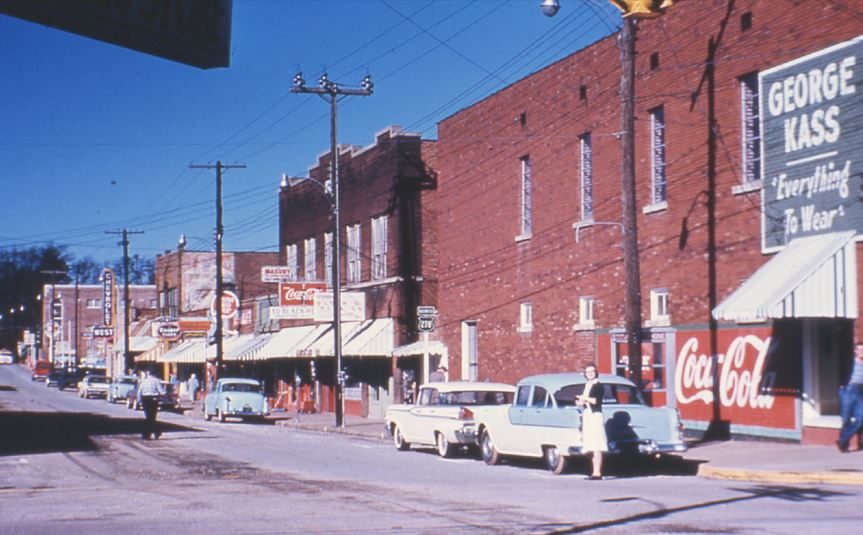
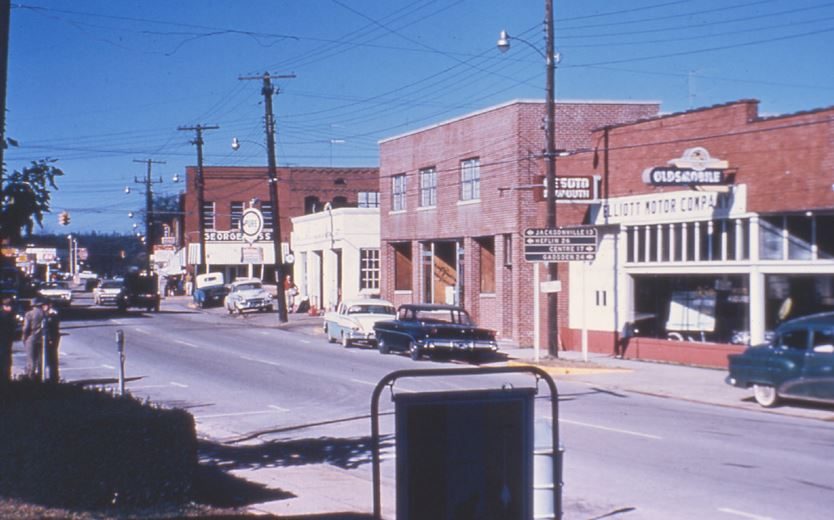
Streets & Landmarks
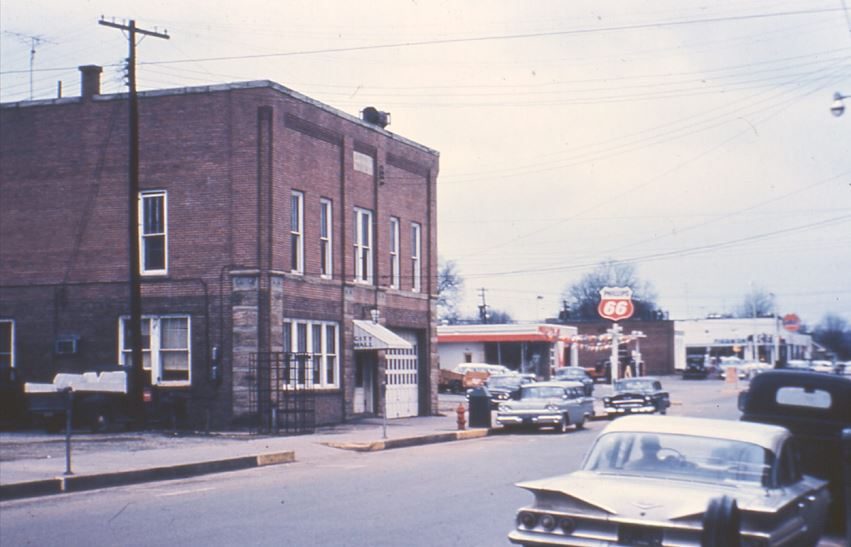
Ladiga Street and Center Avenue — the same two roads that crossed at the hollow stump — in the horse-and-buggy years and the automobile age.
Commerce & Industry
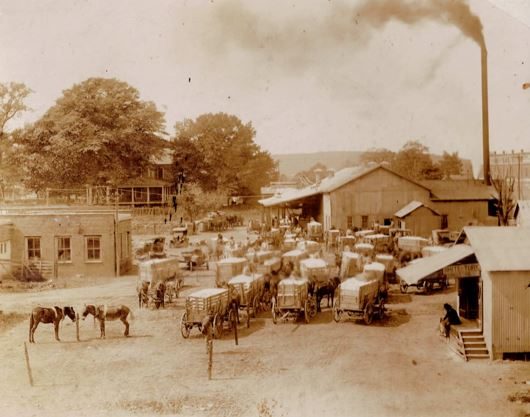
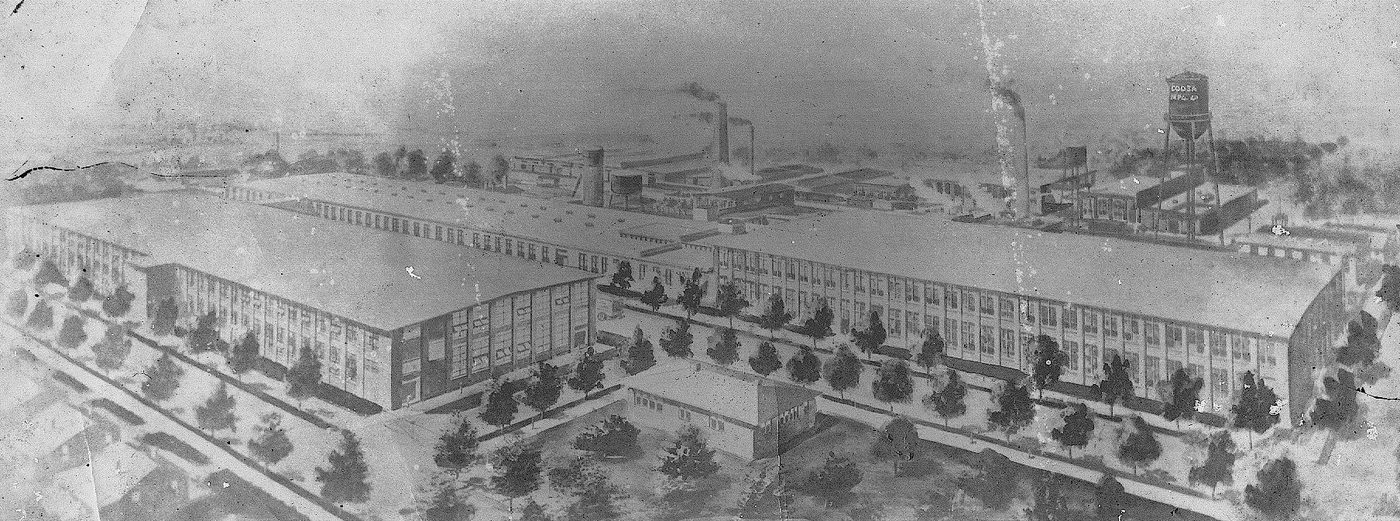
Cotton built the town's economy — from the wagons at the gin to the spindles at the mill.
Serving the Town
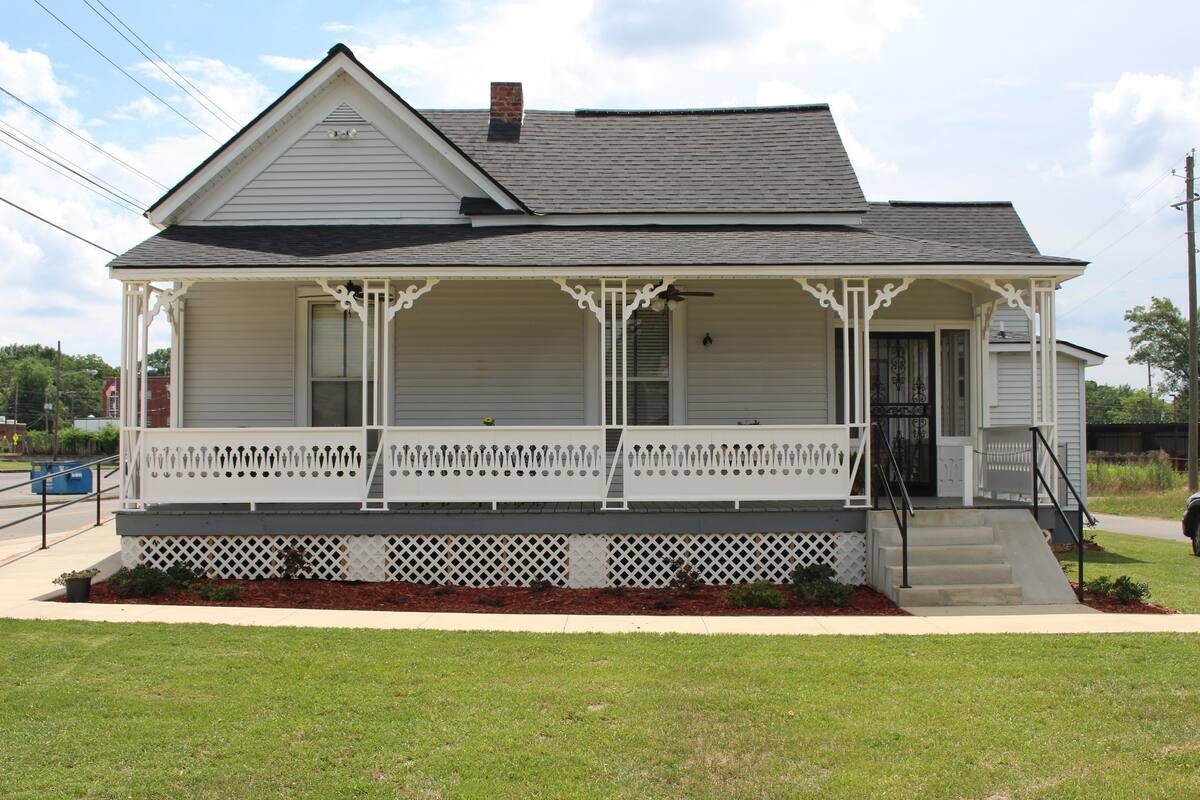
The institutions that kept Piedmont running — water, power, medicine, and rescue.
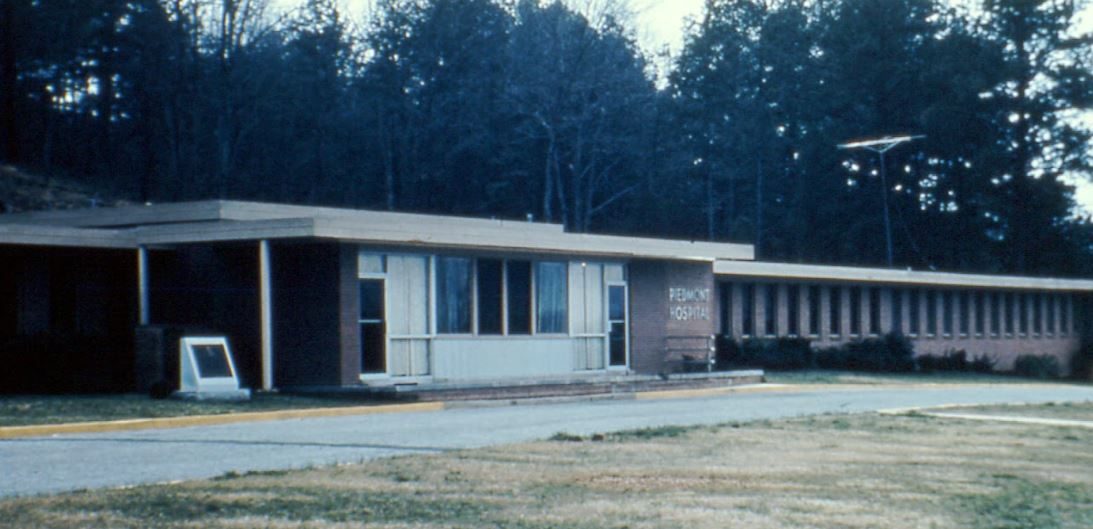
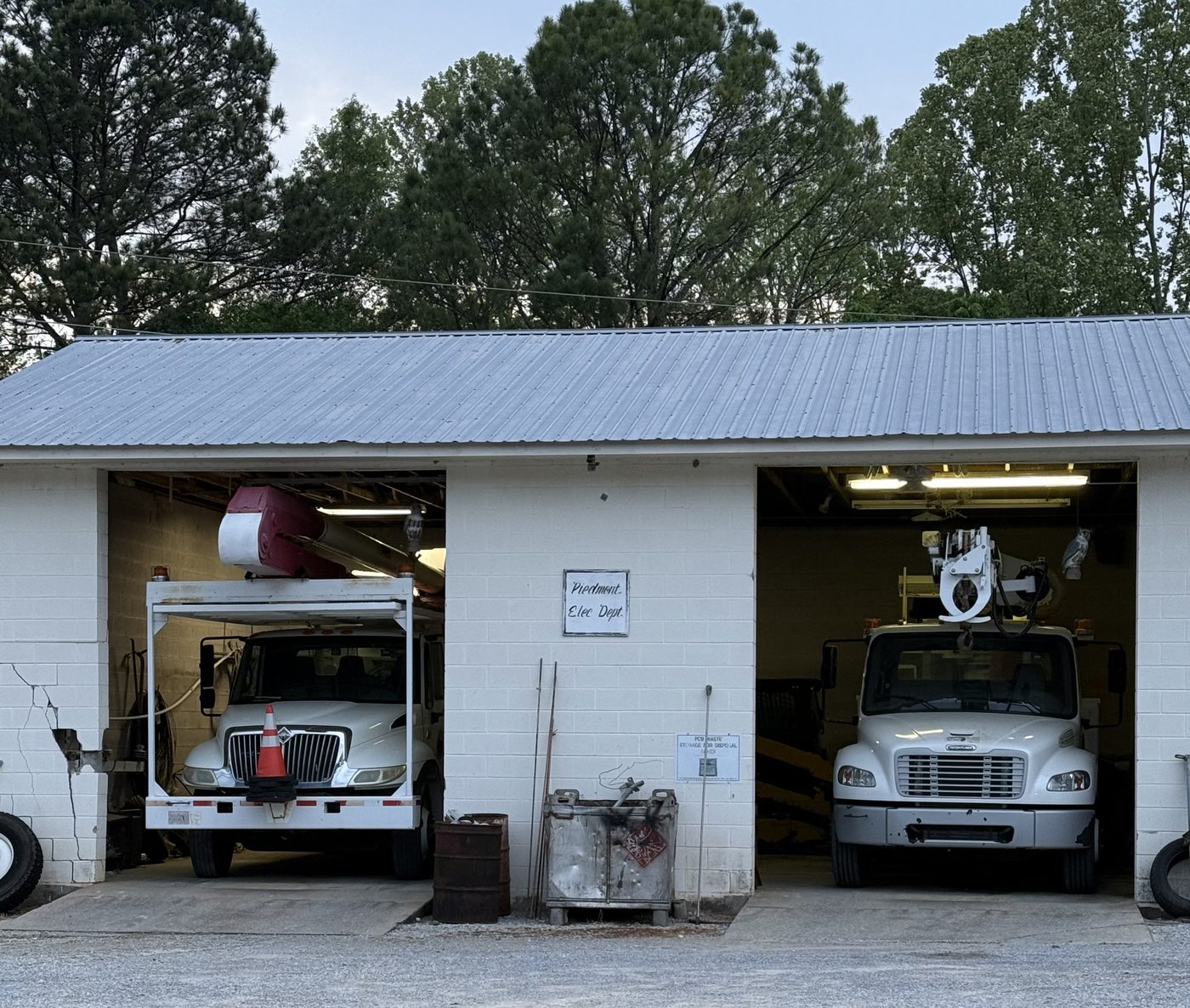
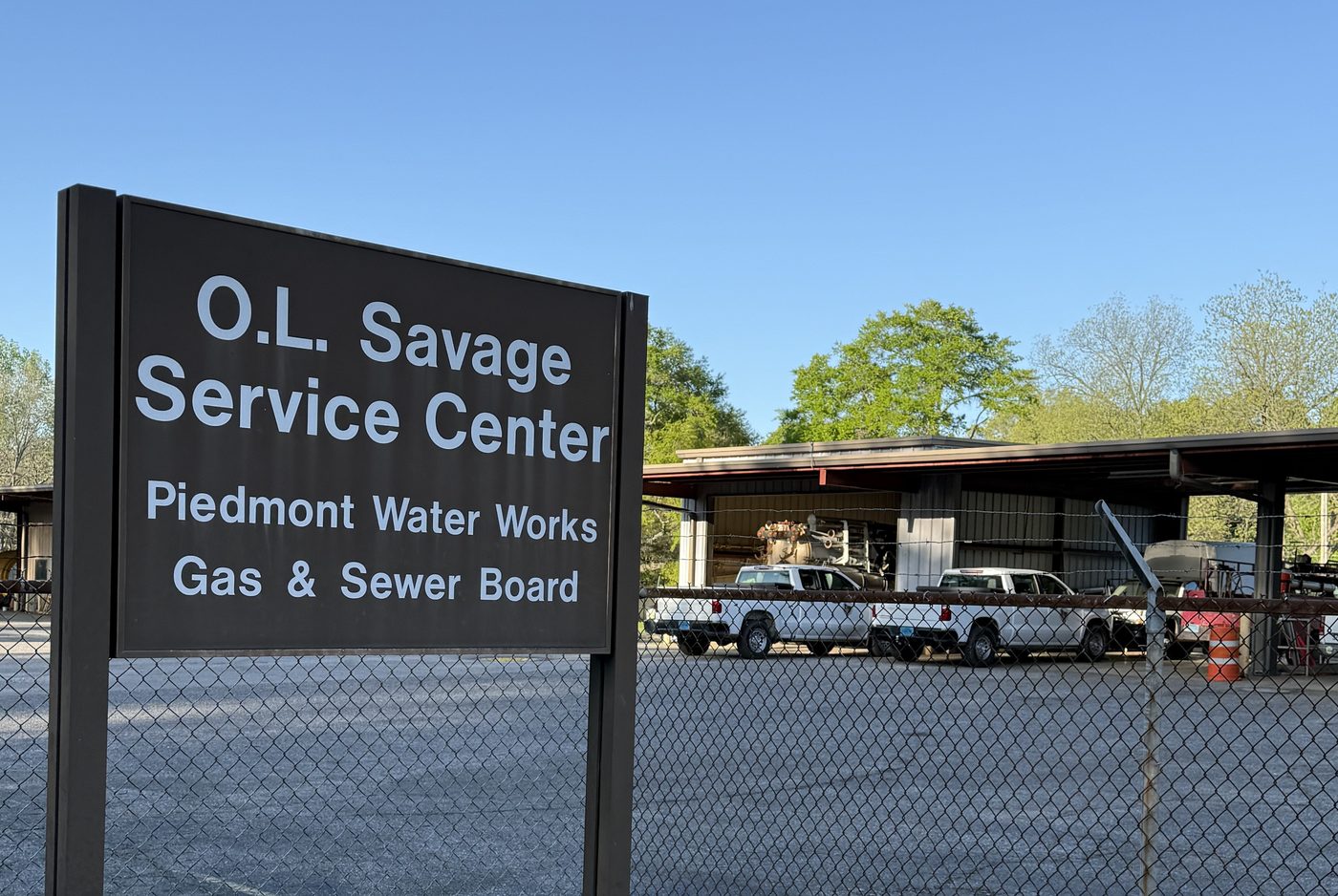
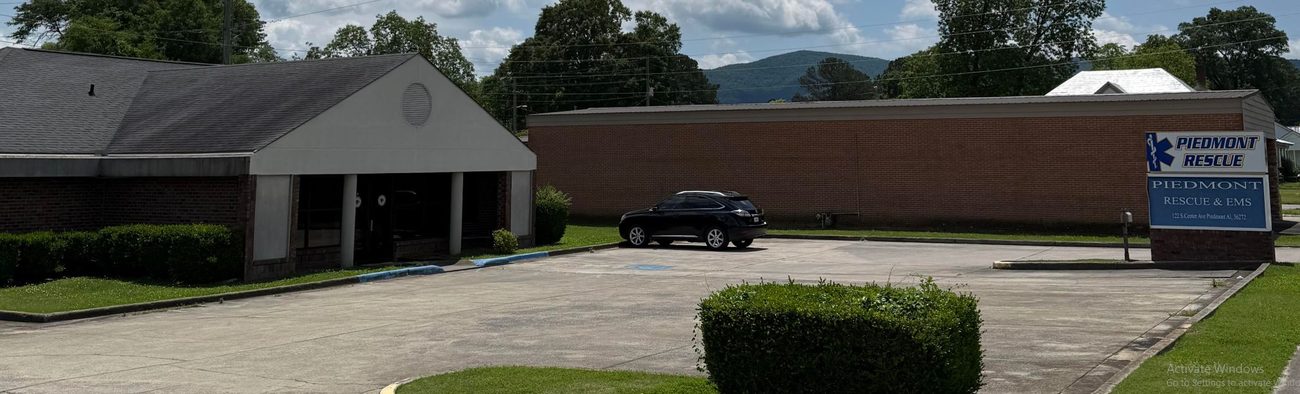
Faces of Piedmont
Portraits from the society's collection.
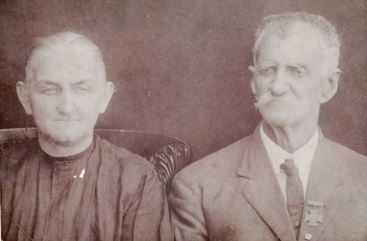
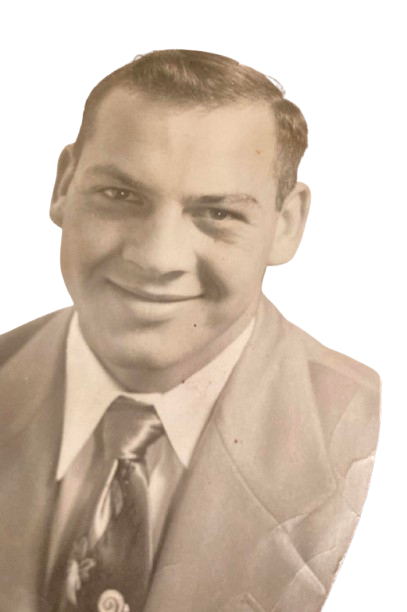
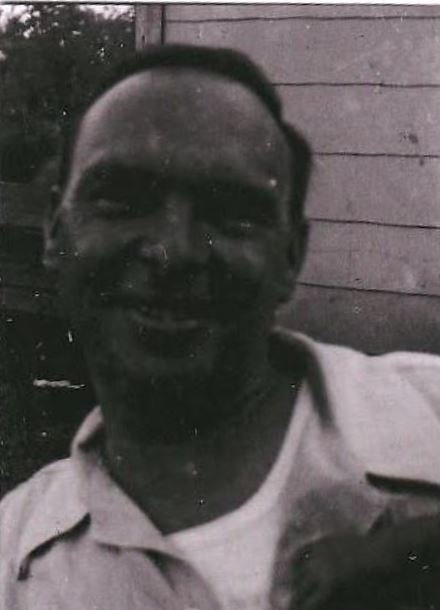
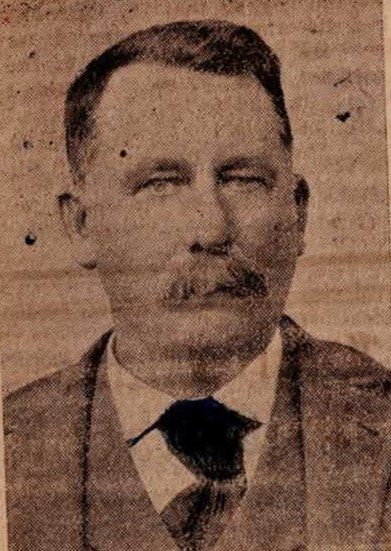
Help us complete the record — if you can identify a face, a date, or a place in these photographs, or have photos and documents of your own to share, the Historical Society wants to hear from you.
Contact us