Hospitality

Historic Piedmont Hotels

When stagecoaches and trains brought travelers to town, Piedmont's hotels made them welcome.

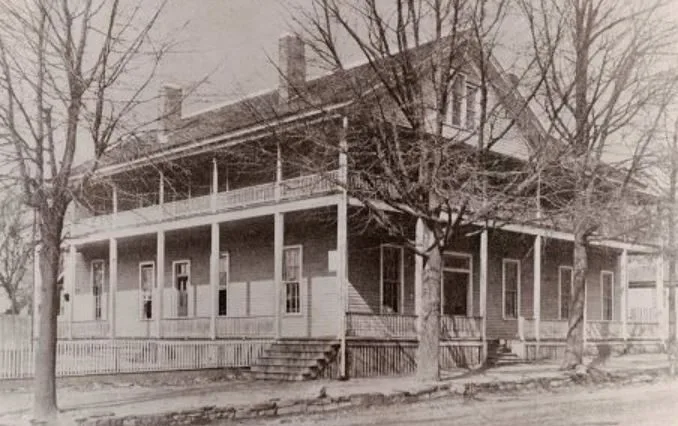
The wooden Albert House hotel with double porches behind bare winter trees
The Albert House on North Center Avenue — built with square nails in 1869, and a Piedmont fixture for 114 years.

The Cross Plains Hotel / Albert House / Piedmont Hotel

The three-story pine hotel — built with square nails in 1869 by F.M. Formby on North Center Avenue — served travelers on the Selma, Rome & Dalton Railroad. Named “The Albert House” for Albert Harris, it hosted crowds of land speculators and traveling salesmen (“drummers”) during the 1890 boom sparked by iron ore at Rock Run.

As the Piedmont Hotel it featured a bubbling water cooler for thirsty travelers and a dining room with a very unique fan over the table — operated by a foot pedal and pulley contraption in the kitchen to keep pesky flies away from the food. The 114-year-old structure was razed in 1983 for the Piedmont Medical Clinic; its wainscot adorns the museum's Cargo Room today.
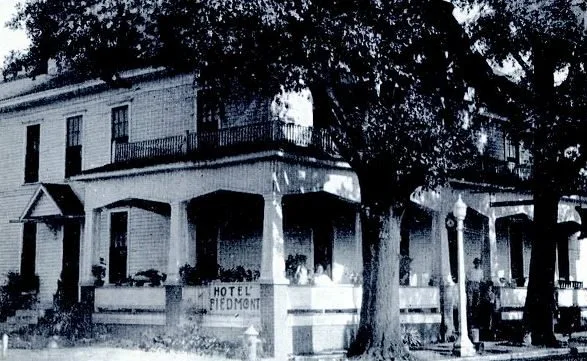
The Hotel Piedmont with its painted sign on the porch wall
The same hotel in its Piedmont Hotel years — complete with the famous foot-pedal fly fan over the dining table.
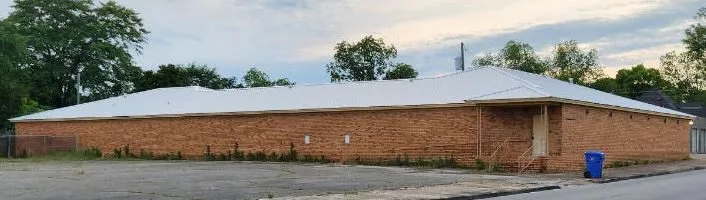
The long single-story brick Piedmont Medical Clinic building
The Piedmont Medical Clinic, built on the hotel's site after the old pine landmark came down in 1983.

Hotel Calhoun

The majestic four-story Hotel Calhoun, built by Major Samuel A. Belding of Massachusetts in the 1880s on a four-acre hill site, hosted land transactions and elegant social events during the 1890s boom — there was even a bowling alley. Mrs. Margaret M. Barker of Philadelphia bought it in 1894, hosted the Cumberland Presbyterian Seminary's boarding school, and in 1899 donated the hotel to the city for the school named after her friend Frances E. Willard. It served Piedmont's students until it burned in 1916.
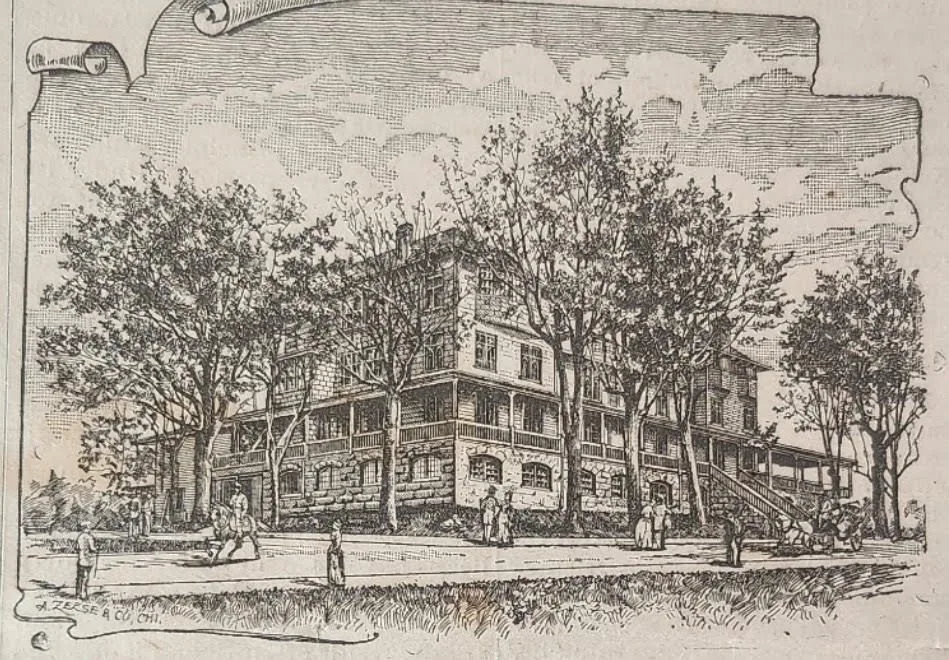
An engraving of the four-story Cumberland Presbyterian Seminary among trees
An engraving of the Cumberland Presbyterian Seminary — the Calhoun Hotel during its 1890s boarding-school years.
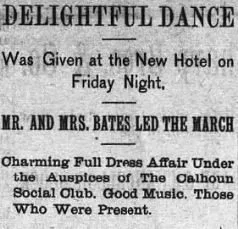
A newspaper headline reading Delightful Dance Was Given at the New Hotel
“Delightful Dance… a charming full dress affair” — a newspaper account of an evening under the auspices of the Calhoun Social Club.

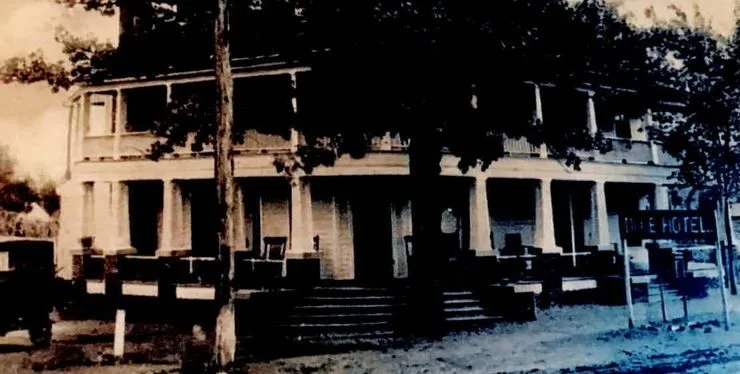
The Dixie House / Hotel

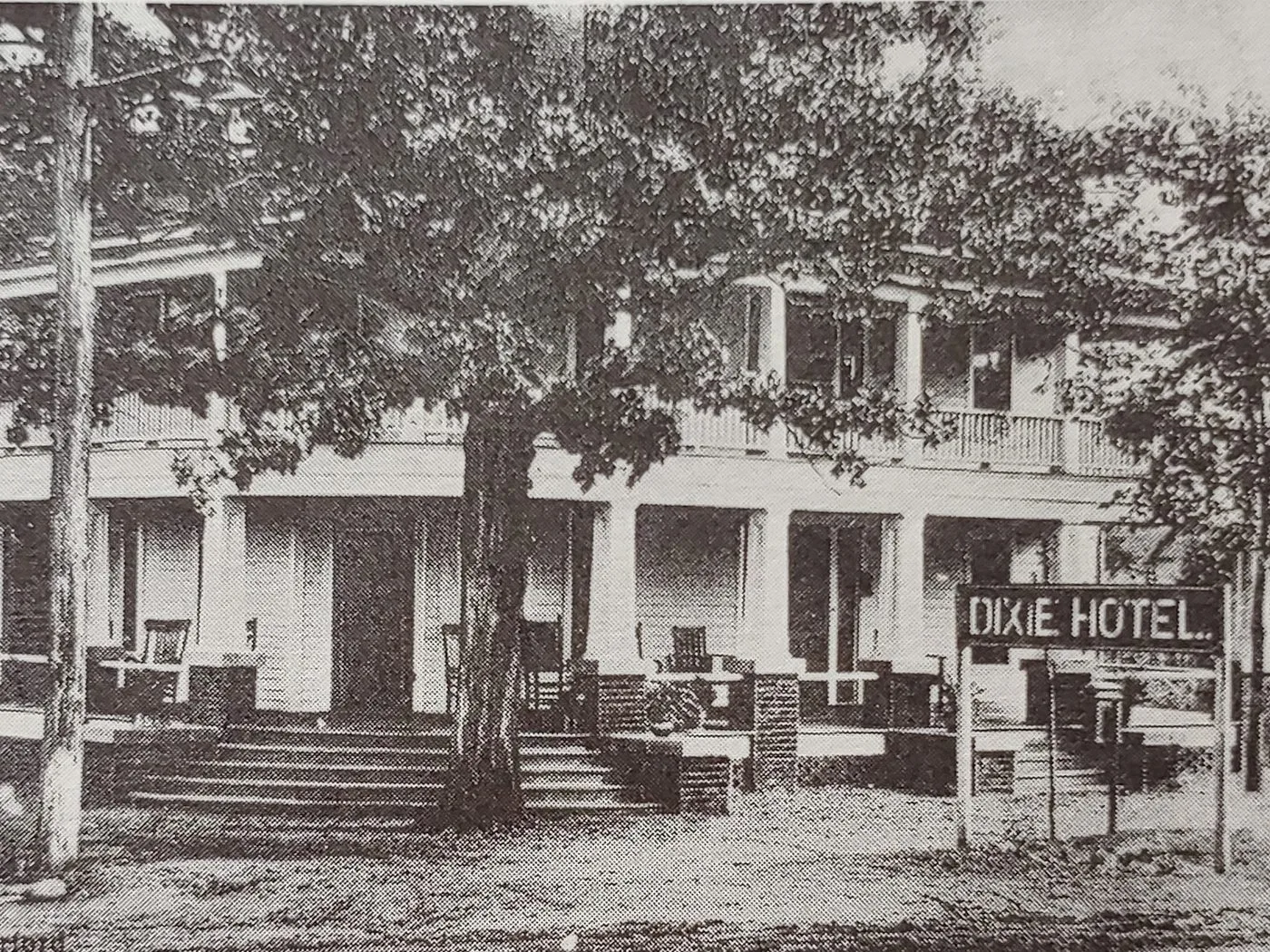
The Dixie Boarding House served drummers who arrived by train with wares for local merchants, and residents enjoyed its delicious home-made meals. Moved to South Center Avenue near the Seaboard Railroad around 1910 and named the Dixie Hotel in 1918, it rang a large dinner bell at noon and six p.m. — and the Formby family served free coffee to soldiers on the troop trains during World War II.
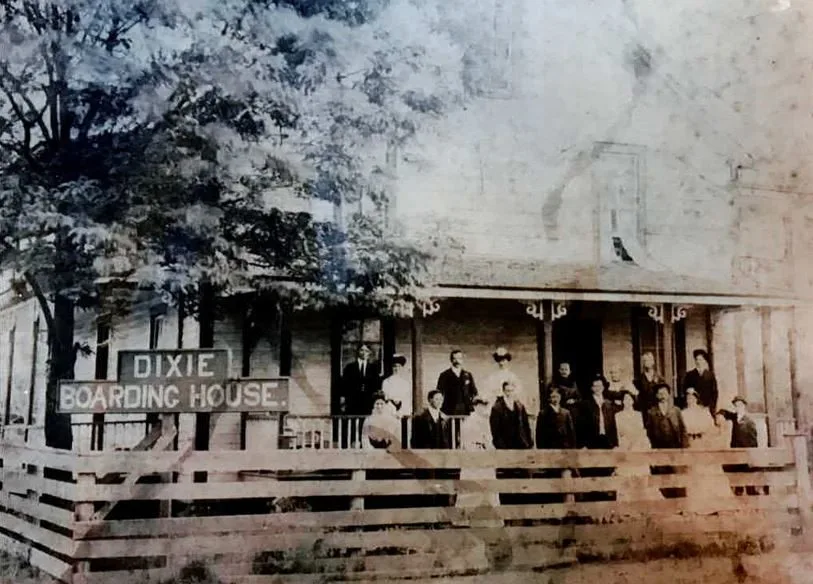
Boarders lined along the porch rail of the Dixie Boarding House
Boarders line the porch of the Dixie Boarding House, famous for its home-made meals.
The two-story Dixie Hotel with its sign, shaded by a large tree
The Dixie Hotel on South Center Avenue near the Seaboard depot — its dinner bell rang at noon and six.
Rocking chairs and columns along the shaded Dixie Hotel porch
Rocking chairs wait on the Dixie Hotel porch.

From the Society’s Files

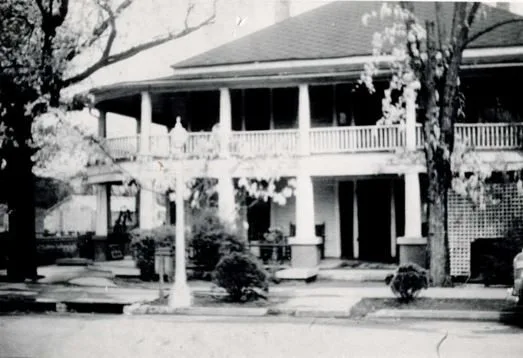
A white two-story building with stacked porches
From the society's Dixie Hotel file: the hotel's double porches in a later view.
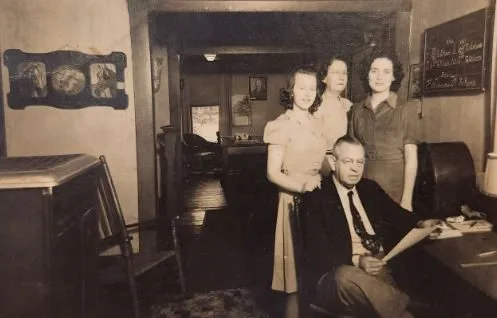
A man at a desk and three women standing in a hotel front office
From the society's Dixie Hotel file: the front office.
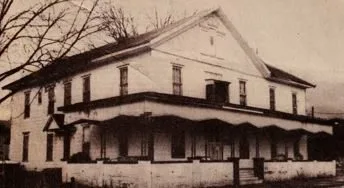
The white two-story H and H Rooming House
The H&H Rooming House, one of the smaller places a traveler could find a bed.

See the real artifacts. Hear the real stories.

Plan your visit